
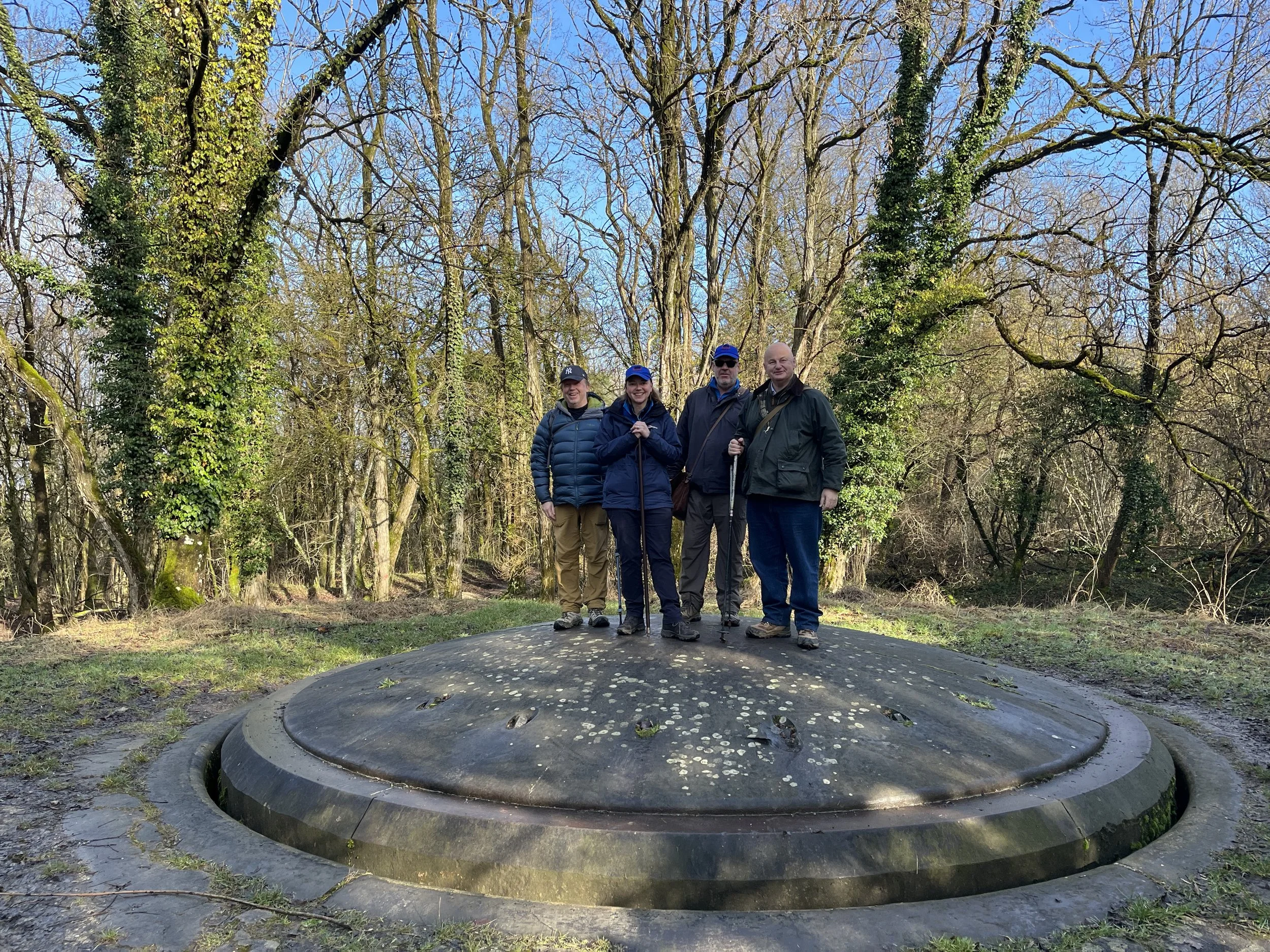
This 21st February marks the 110th anniversary of the start of the battle of Verdun. To mark this anniversary, Sophie and a group of her leading guides visited some of the key sites of the battle.
Guests wanting to explore this fascinatingly raw battlefield can book one day tours or multi-day escorted tours.
Sophie’s Great War Tours is one of the only fully bonded, English language operator offering individually bespoke private tours of the battlefields of Verdun.
The armies of Republican France and Imperial Germany fought each other to a bloody standstill over nine tortuous months, claiming the unwanted prize of being the longest battle of the First World War.
Nowhere else on the Western Front is quite like Verdun. The ghastly industrialised nature of killing is everywhere you look. It also reveals stories of unbelievable heroism, immortalised in General Nivelle’s famous war cry that “the time is now men, you must not let them pass”.
Visit Colonel Draint’s Command Post
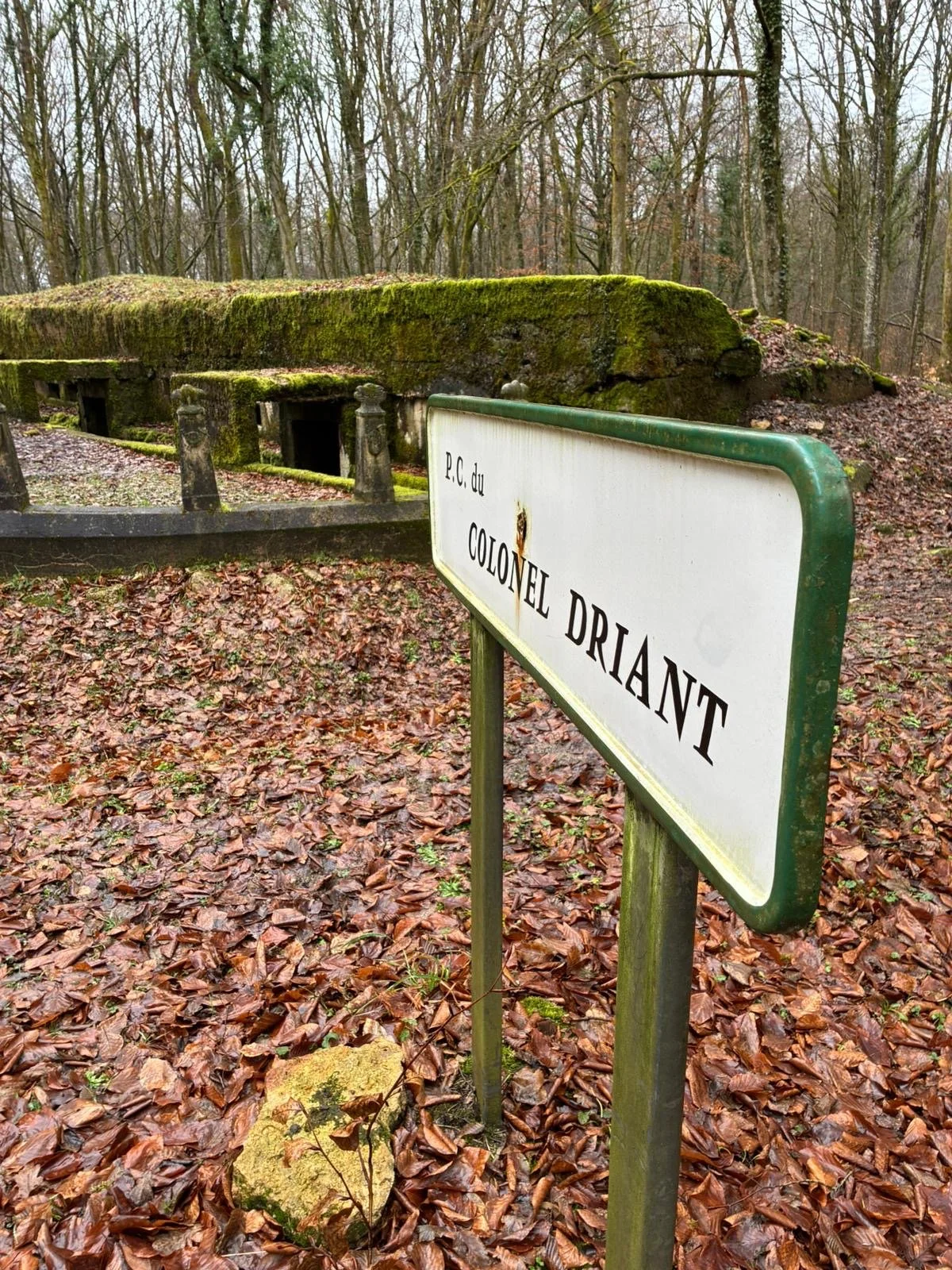
Colonel Driant’s Command Post, Battlefields of Verdun
Sophies’ guides started with a tour of Colonel Driant’s command post which was in the very heart of the battle during the first two days of the German offensive in February 1916. Driant is a French national hero and it’s easy to see why when you visit the amazingly preserved site where he bravely commanded his troops, most of whom were to, including himself, make the ultimate sacrifice.
Driant, a famous writer and politician as well as brave leader of men had warned the powers that be that Verdun was poorly defended and that the Germans were likely to strike there. He knew what was coming but nevertheless was content to be in the frontline facing the onslaught. His bravery and sacrifice - and those of his men he commanded show the French will to save their country.
Walk the WW1 trenches Driant did and stand in the very spot he was killed as Sophie’s experts share this site with the sensativity it and the men deserve.
Fort Douaumont
Verdun Battlefield
Stripped of many of its guns and barely manned at all, this gigantic late nineteenth century fort was embarrassingly easily taken by a small group of German troops on the 25th February. It would act as a key launchpad and support for the Germans for much of the subsequent offensives as the Imperial high command tried to ‘bleed France white’ at Verdun.
It was the focus of furious attacks by the French to recapture a position that had assumed an importance that had not been envisaged when the great battle started. The fort is a key monument of the battlefield and welcomes visitors throughout the year. Let Sophie’s guides take you on top of the fort to get a true understanding for why this was such a pivotal point of the battle, walk the moat see where the Germans entered on the 25th February and where so many Frenchmen sacrificed themselves trying to put right this humiliating wrong. Eventually, this was achieved on 24 October 1916.
Within a stones throw of this gigantic fort is the Ossuary Douaumont; which contains the remains of 130,000 unknown French and German dead of Verdun.
The Villiage of Fleury-Douaumont
Before the battle, the hills to the east of Verdun was home to farmers and tradespeople for generations. After the battle, nine of these villages had ‘died for France’ as they had been completely destroyed by the war and are not resettled to this day. However, the likes of Fleury-Douaumont can be walked with reconstructed paths and posts signifying who lived where. The village was key battleground of Verdun in the summer and autumn of 1916 with thousands dying amongst the rubble. There are few more evocative locations on the western front. Sophie’s guides can bring this village and sacrifice into the sharpest of focuses for you.
Forts Vaux and Souville
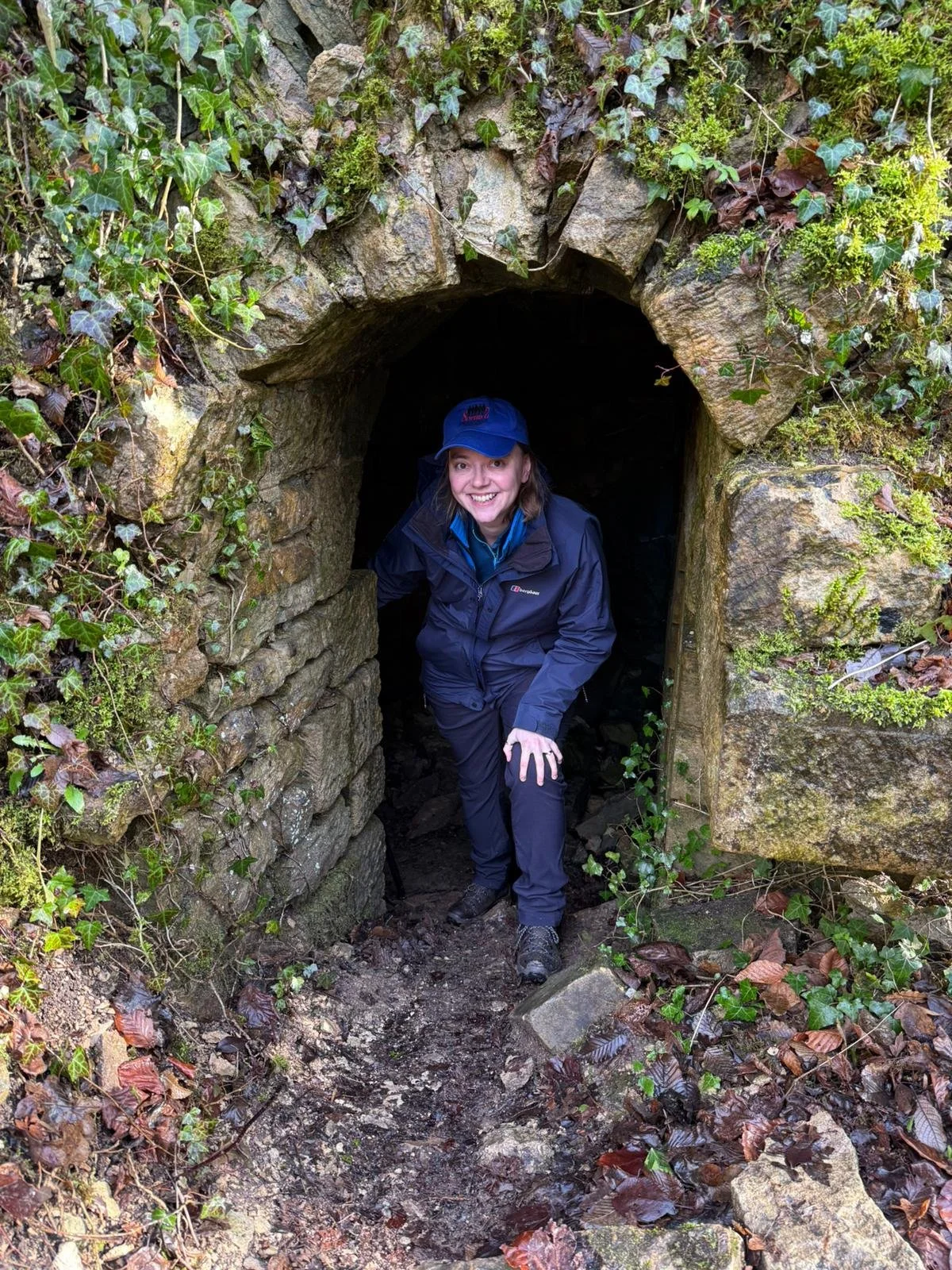
The Verdun battlefield abounds with stories, few more startling than the defenders of Fort Vaux who held out for 7 days fighting hand to hand in the dark polluted environment of Fort Vaux. A visit to Fort Vaux is to travel to the very limits of what humans can endure. Let Sophie’s guides tell their tale of heroism and glory.
Fort Souville was according to Petain the last lock on the door to Verdun. It remained French throughout the battle but was under bombardment throughout the summer. It proved to be a fort too far and marked the point where the French would turn the tide and go on the offensive.
This magnificent fort is sometimes overlooked by visitors to the battlefields but it provides some of the most rewarding walks around Verdun. Sophie’s guides can help you truly appreciate Souville’s importance to the battle and the French victory.
Le Mort Homme and Hill 304
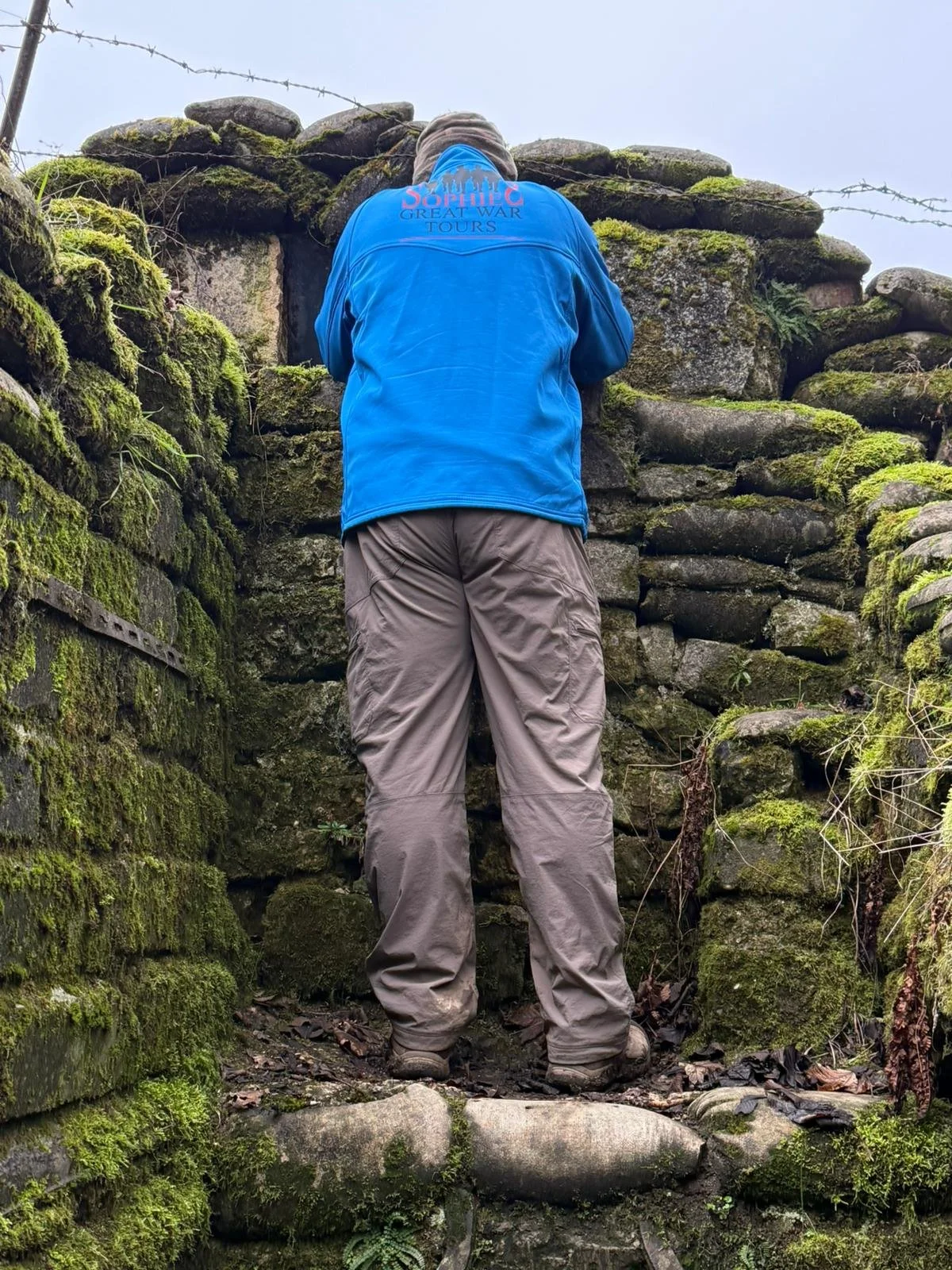
The Germans first thrusts in February 1916 focused on the right bank of the Meuse. However it soon became apparent that the key points of the left bank - Le Mort Homme and Hill 304 - would have to be captured in order to silence the French guns, which were raining a murderous fire down on the Germans attacking on the right bank.
What ensued is some of the most savage fighting in the whole of WW1 as the Germans inched themselves up these hills, tunnelling beneath the earth and sacrificing thousands of lives charging the entrenched French positions.
Today the hills have ben reclaimed by nature but Sophie’s guides can take you to the very epicentre of where these titanic battles took place, allowing you to walk the ground and see the trenches first hand.
This is merely a taster of some of the sites you can expect to see on a bespoke tour of Verdun with Sophie’s Great War Tours. Verdun is on a train line from Paris with one change, or why not take a direct fast train to the Reims and enjoy a glass of something fizzy before your tour.
Want to explore the battlefields of Verdun with an expert historian? Get in touch today.